A Strategic Guide for Business Professionals in Hong Kong and Asia
As Hong Kong and Asia accelerate their transition to low-carbon energy, hydrogen energy has emerged as a critical solution in achieving decarbonisation targets. With governments setting ambitious net-zero goals, and industries seeking alternative energy sources, understanding hydrogen’s role is no longer optional—it is foundational to future-proofing your business strategy in 2025 and beyond.
What is Hydrogen?
Hydrogen is the simplest and most abundant element in the universe. In the context of energy, hydrogen serves as a clean energy carrier. When used in fuel cells, it generates electricity with water as the only byproduct—zero carbon emissions at the point of use.
Hydrogen can be produced through several pathways:
- Grey Hydrogen: Produced from fossil fuels, primarily natural gas, without carbon capture.
- Blue Hydrogen: Similar to grey but coupled with carbon capture and storage (CCS) technology.
- Green Hydrogen: Produced via electrolysis powered by renewable energy, resulting in zero emissions.
| Type of Hydrogen | Feedstock | Emissions | Scalability in Asia |
| Grey Hydrogen | Natural Gas | High | Widely Used |
| Blue Hydrogen | Natural Gas + CCS | Medium | Emerging |
| Green Hydrogen | Renewable Energy | Zero | Rapid Growth |
Why Hydrogen Energy Matters for Hong Kong and Asia in 2025
1. Decarbonisation Mandates
Hong Kong’s Climate Action Plan 2050 aims for carbon neutrality by 2050, with an interim target of reducing emissions by 50% before 2035. Hydrogen is explicitly listed as a key enabler in Hong Kong’s decarbonisation roadmap, especially in hard-to-abate sectors like transportation, logistics, and industrial energy.
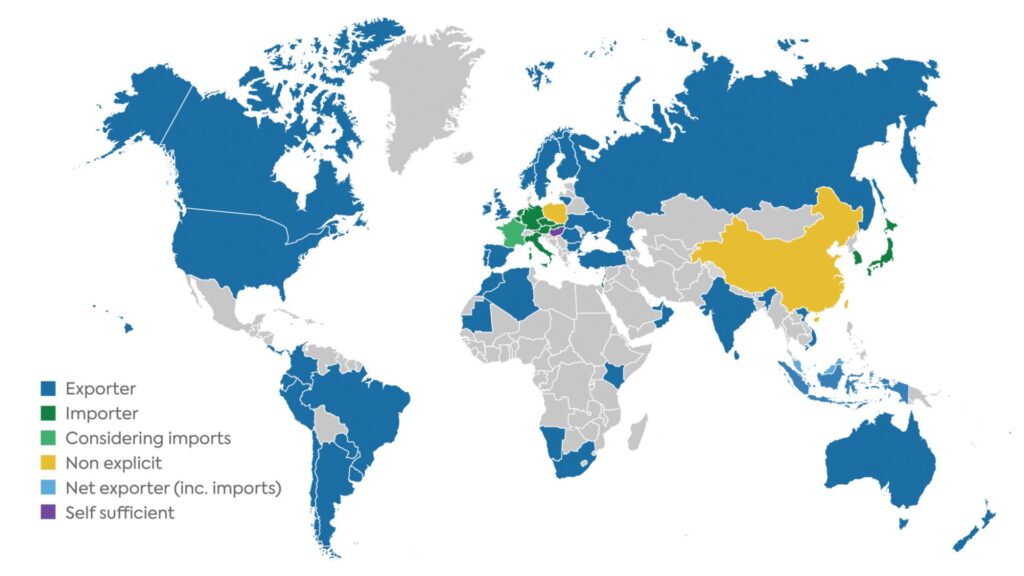
In Mainland China, Japan, and South Korea, government-led hydrogen strategies are already in motion, supporting infrastructure, subsidies, and pilot projects. Businesses in Hong Kong, Singapore, and Southeast Asia cannot afford to lag behind.
2. Industrial & Power Sector Transformation
Hydrogen’s true strength lies in its versatility. Unlike most energy carriers that are sector-specific, hydrogen can seamlessly integrate across power generation, mobility, and industrial applications, enabling economies of scale and synergistic decarbonisation pathways.
✅ Power Generation: Grid Stabilisation and Decentralised Energy
Hydrogen plays a pivotal role in the transition to renewable energy systems, especially in grid management:
- Fuel cells convert hydrogen directly into electricity with high efficiency, producing only water as a by-product — ideal for decentralised microgrids, such as those piloted in Hong Kong and Southeast Asia.
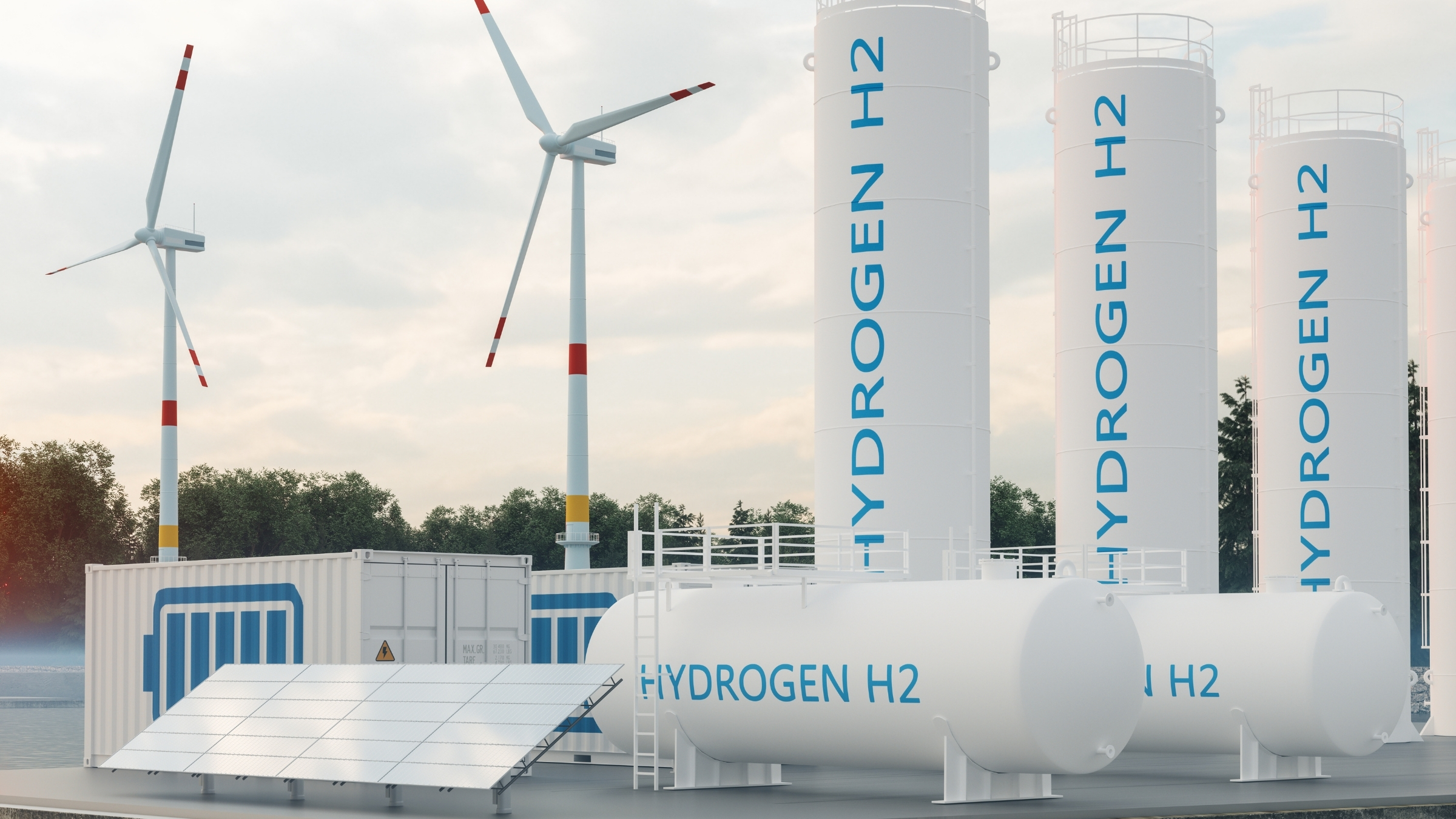
- Long-duration energy storage: Hydrogen complements variable renewables like wind and solar by storing excess energy during off-peak periods and releasing power back to the grid during demand spikes. This capability is crucial for urban centres like Hong Kong with limited land resources for large-scale batteries.
- In the future energy mix, hydrogen-powered gas turbines and combined heat and power (CHP) systems are expected to provide dispatchable low-carbon baseload power, enhancing grid stability and energy security.
✅ Mobility: Decarbonising Heavy Transport and Commercial Fleets
In the transportation sector, Hydrogen Fuel Cell Electric Vehicles (FCEVs) are gaining traction where battery electric vehicles (BEVs) face operational limits:
- Fast refuelling (3-5 minutes) and long driving ranges (500-700 km) make FCEVs ideal for heavy-duty vehicles, buses, logistics fleets, and cross-border trucks, particularly relevant to Hong Kong’s logistics-heavy economy.
- Marine applications and aviation are also actively exploring hydrogen as a zero-emission fuel, with hydrogen-powered ferries and aircraft prototypes already under trial in Asia.
- Early hydrogen mobility deployments in Kowloon Motor Bus (KMB) and Citybus in Hong Kong signal a market-ready shift for fleet operators seeking to meet tightening emissions regulations.
✅ Industry: Enabling Deep Decarbonisation of Hard-to-Abate Sectors
Hydrogen is increasingly recognised as the only viable pathway to decarbonise heavy industries:
- In steel production, the replacement of coking coal with green hydrogen (via direct reduced iron) reduces CO₂ emissions by up to 95%.
- In the chemical sector, hydrogen is an essential feedstock for ammonia production, methanol, and refining, with green ammonia emerging as a potential zero-carbon fuel for shipping.
- Cement, glass, and high-temperature industrial processes are also piloting hydrogen combustion to replace fossil fuels where electrification is technically challenging or uneconomical.
3. Energy Resilience and Diversification
In energy-importing cities like Hong Kong, hydrogen enhances energy security by diversifying energy sources and reducing dependence on fossil fuel imports. Through decentralised power generation and hydrogen microgrids, companies can ensure energy reliability during peak demands and grid disturbances.
The 2025 Hydrogen Outlook: Market Momentum
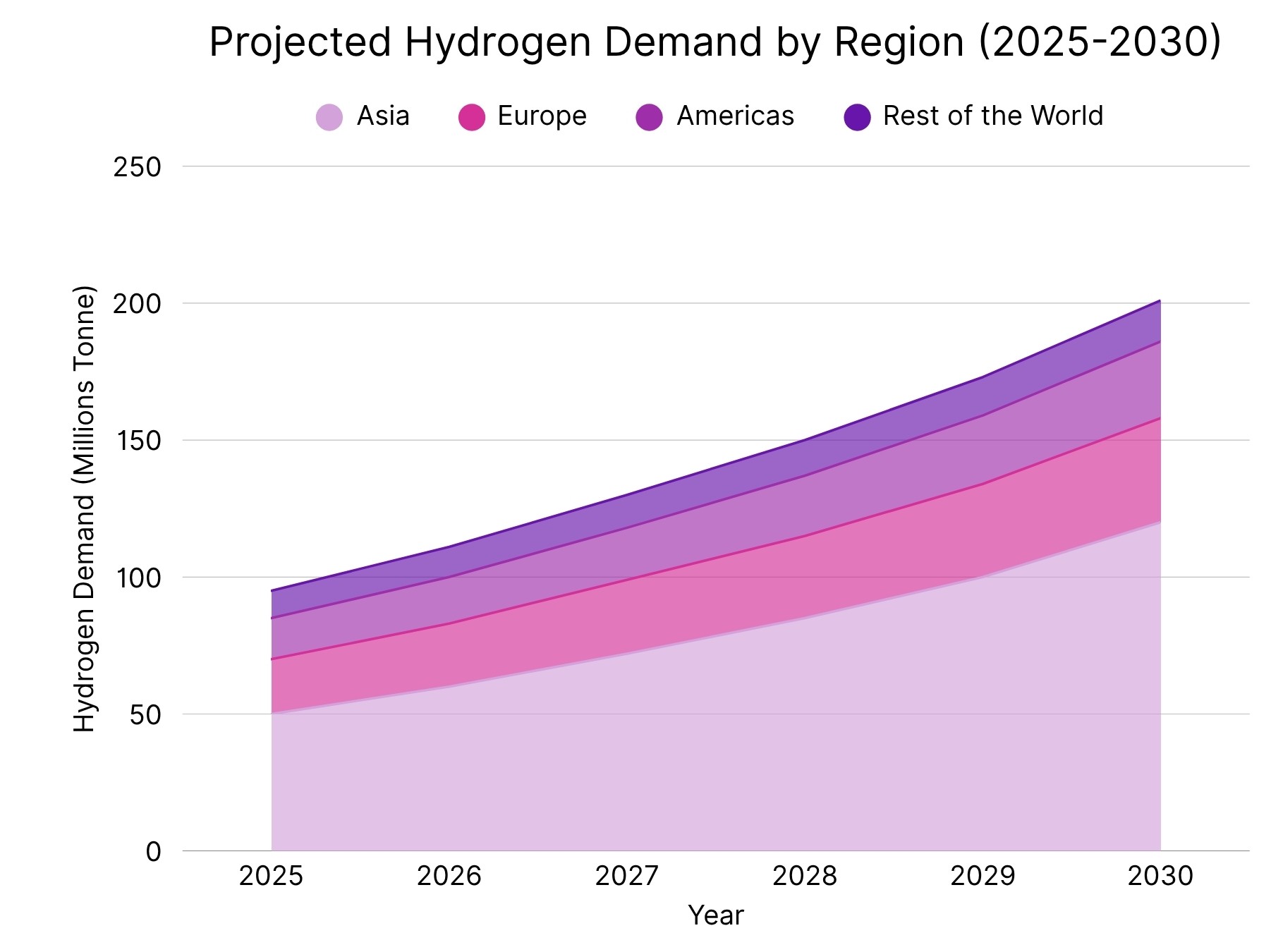
Global hydrogen demand is projected to grow from 95 million tonnes (2023) to over 140 million tonnes by 2030, with Asia accounting for more than 50% of demand growth.
- Hydrogen costs are dropping: Green hydrogen is projected to be cost-competitive (< USD 2/kg) in key Asian markets by 2030, with early movers already seeing industrial-scale projects.
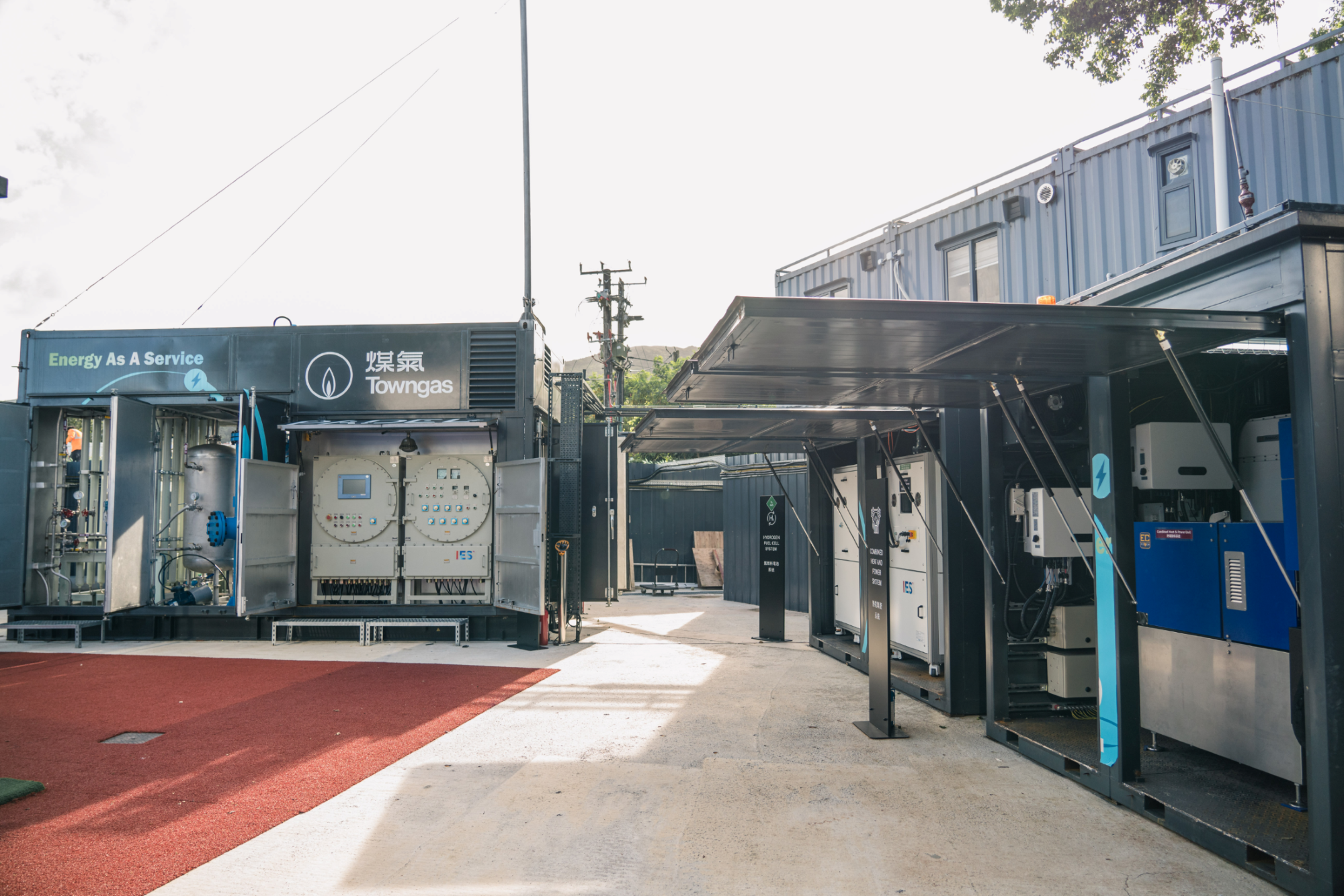
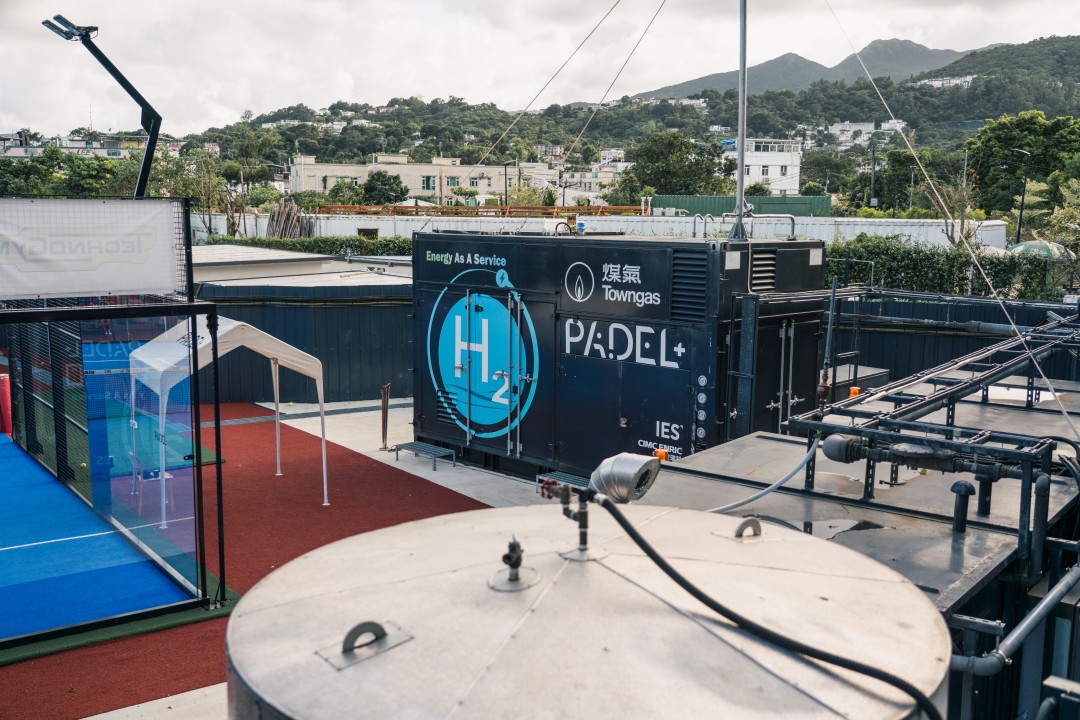
- Hong Kong’s hydrogen pilot schemes, including hydrogen buses, hydrogen refuelling stations, and zero-emission microgrids (like Zemission’s projects), are paving the way for commercial adoption.
Conclusion: Why Business Leaders Must Act Now
Hydrogen energy in Hong Kong and Asia is shifting from exploratory stage to real-world commercialisation. Business professionals must:
- Monitor regulatory changes (e.g., Hong Kong’s hydrogen roadmap expected post-2025),
- Explore pilot programs and cross-sector collaborations,
- Future-proof operations through early adoption of low-carbon, hydrogen-powered systems.
Hydrogen is not a distant concept—it is a practical tool for decarbonisation, resilience, and competitiveness in Asia’s evolving energy landscape.
📩 Want to explore how your projects can align with low-carbon goals?
Let’s connect — contact Zemission for a feasibility assessment or project briefing at [email protected]