Across Asia, the effects of climate change are no longer a distant threat — they’re already here. Typhoons are intensifying, heatwaves are lasting longer, and extreme rainfall is disrupting lives, infrastructure, and business. In this context, low-carbon technology is no longer a ‘nice-to-have’ — it’s a necessity
🌏 Asia: At the Frontline of Climate Change
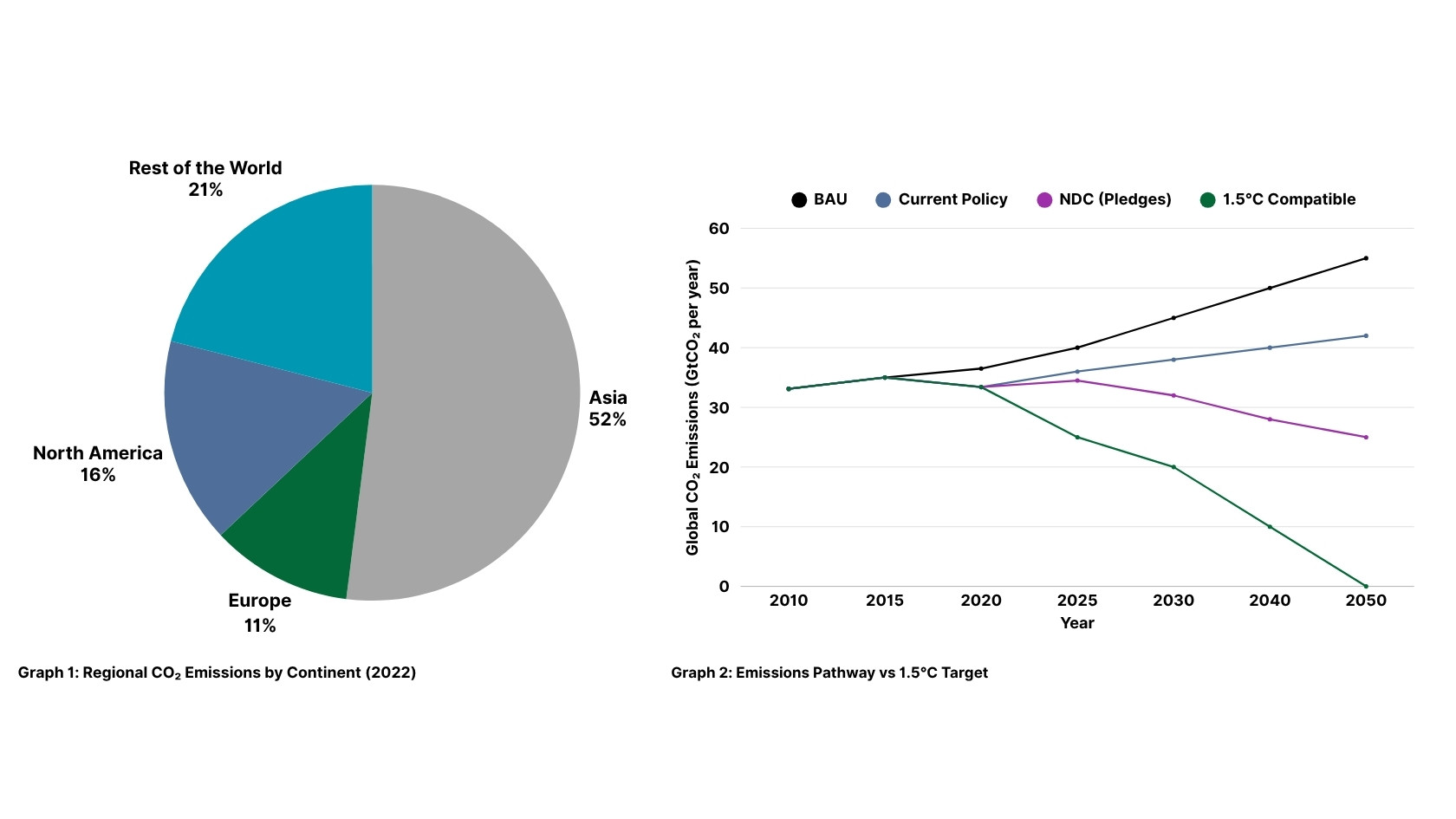
Asia is responsible for over 50% of global CO₂ emissions, driven by fossil fuel dependency and industrial growth. Without rapid decarbonisation, the global 1.5°C target becomes unattainable.
The IPCC warns that global emissions must be cut by 43% by 2030 to avoid the most catastrophic impacts of climate change. With rising sea levels and increasing energy demand, Hong Kong faces its own sustainability pressures. In response, the HKSAR Government introduced Climate Action Plan 2050, which outlines:
🌆 Hong Kong’s Climate Goals: From Policy to Practice
With rising sea levels and increasing energy demand, Hong Kong faces its own sustainability pressures. In response, the HKSAR Government introduced Climate Action Plan 2050, which outlines:
- Carbon neutrality by 2050
- 50% emissions reduction (from 2005 levels) by 2035
- A cleaner electricity mix (zero coal by 2035)
- Widespread electrification of vehicles
- Mandatory energy codes for buildings
For developers and consultants, this means that compliance with low-carbon standards is becoming mandatory, not optional.
⚙️ What Is Low-Carbon Technology — And Why It Matters?
Low-carbon technology refers to systems that reduce or avoid carbon emissions across buildings, transport, and energy. Key examples include:
| Technology | Function | Impact |
| Hydrogen Fuel Cells | Clean onsite power generation | Zero direct emissions |
| Combined Heat and Power (CHP) | Simultaneous production of heat and power | 80–90% system efficiency |
| EV Charging Infrastructure | Supports electric mobility | Reduces fossil fuel use in transport |
| Smart Energy Management Systems | Real-time energy optimisation | Reduces peak demand + energy waste |
| Low-Carbon Construction Materials | Concrete alternatives, modular timber | Lowers embodied carbon |
🧩 Opportunity for Developers & Engineers
The shift to low-carbon solutions is more than a response to climate risk — it’s a competitive edge.
✅ Benefits Include:
- Enhanced asset value and occupancy rates
- Access to green capital and ESG funds
- Reduced long-term operational costs
- Eligibility for BEAM Plus, LEED, WELL certifications
- Future-proofing against carbon taxation or stricter regulations
⚡ Zemission in Action: Real Technology, Real Results
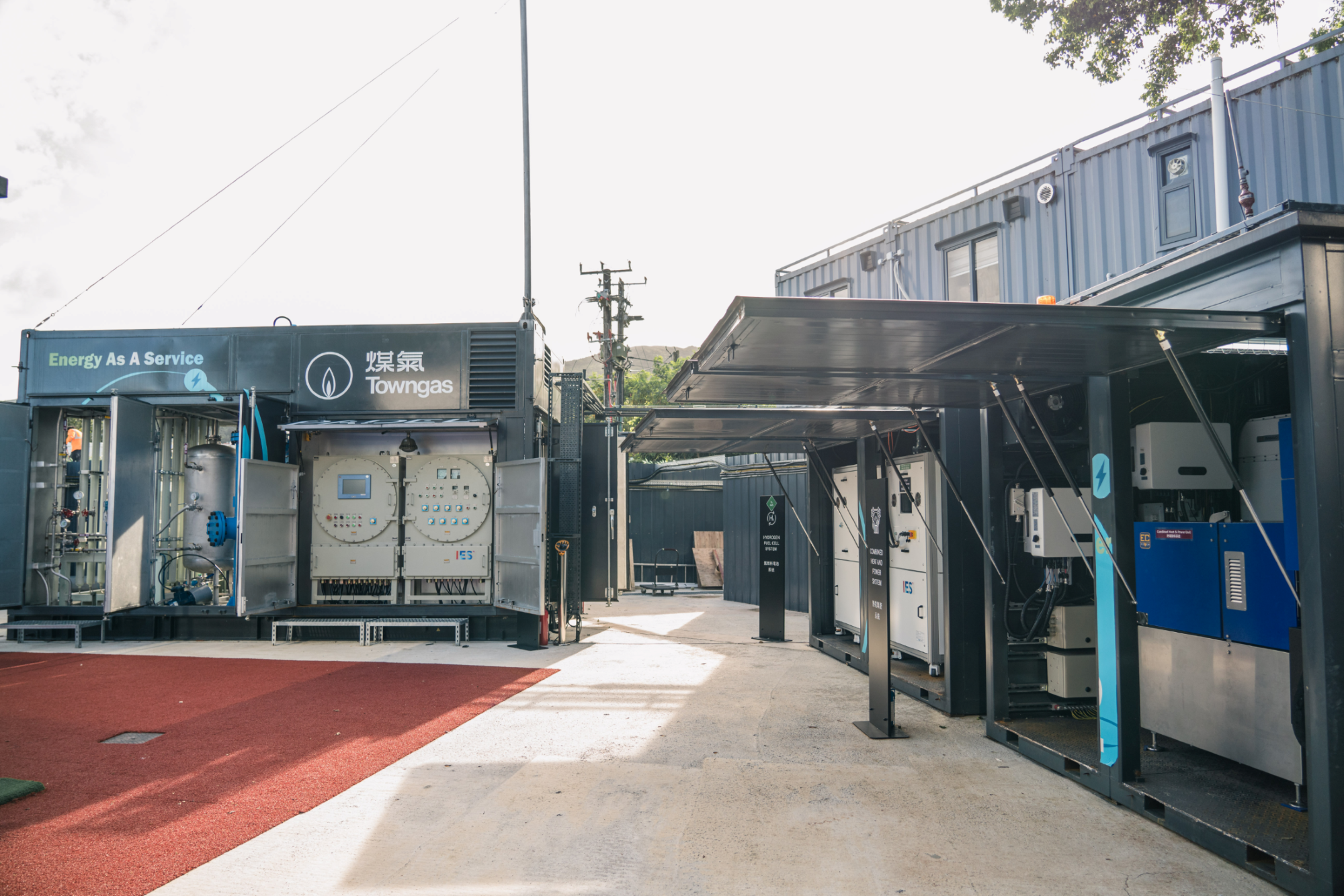
At Zemission, we’re pioneering decentralised clean energy systems using:
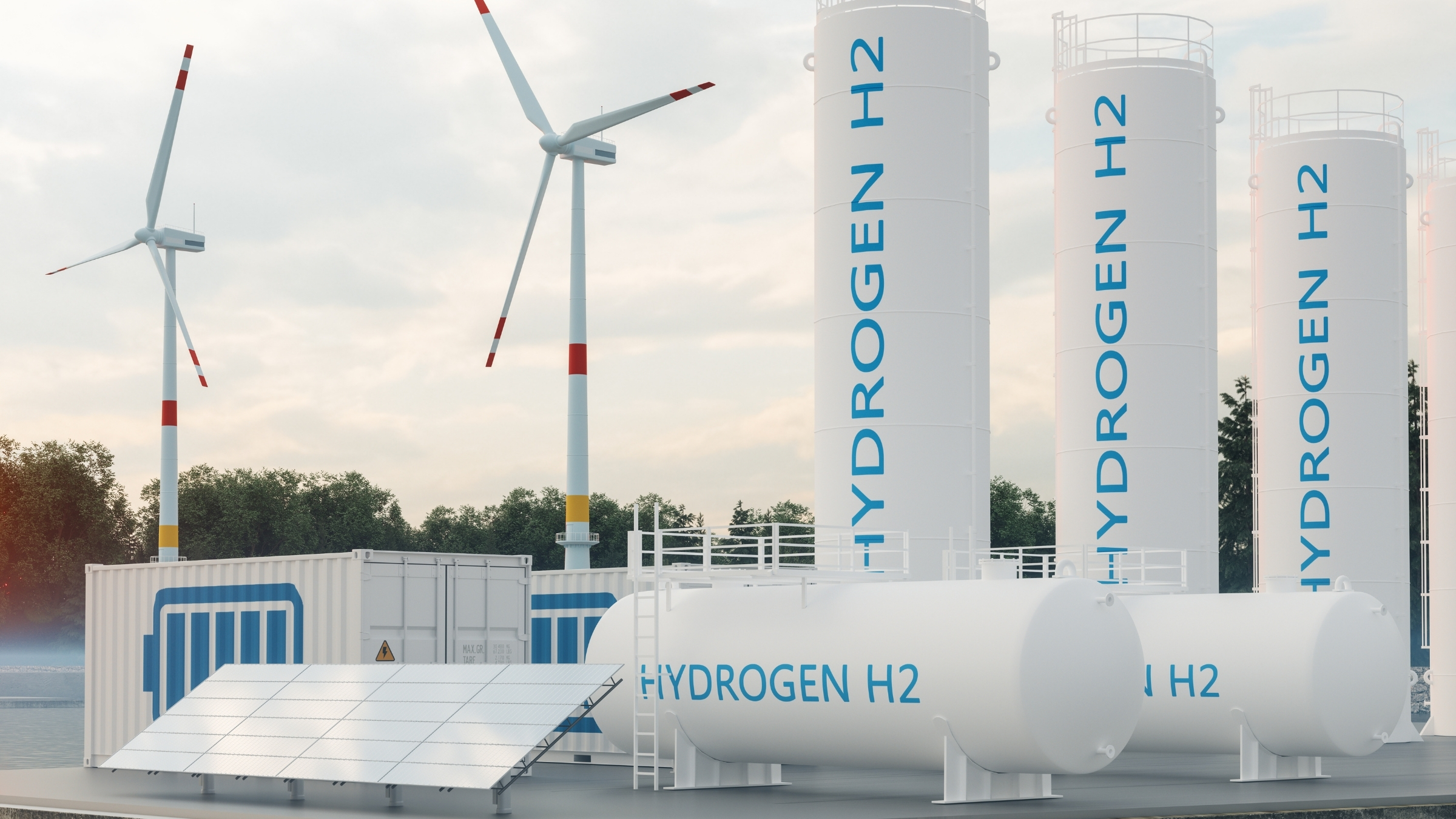
- Hydrogen extracted from Hong Kong’s town gas network
- Fuel cells to power EV chargers with zero tailpipe emissions
- CHP systems to provide hot water and electricity at >80% efficiency
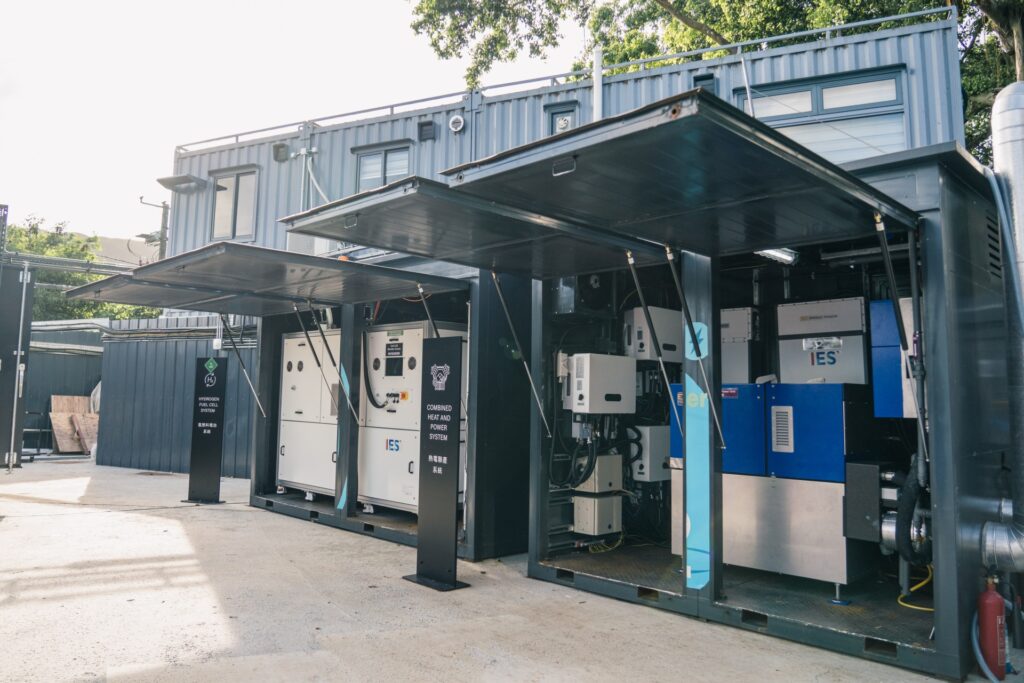
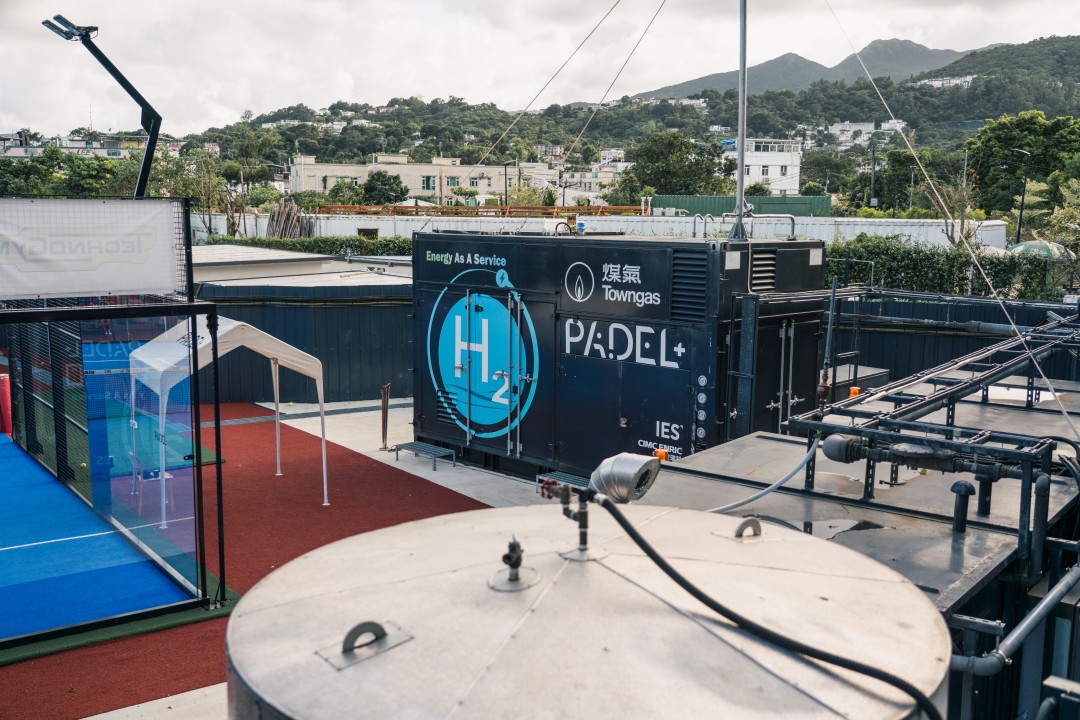
This is already operational at our project site in Sai Kung — Hong Kong’s first hydrogen-powered EV charging station — showing that scalable, real-world impact is already possible.
🔚 Final Thoughts
The science is urgent. The technology exists. The market is ready.
Low-carbon technologies are no longer aspirational — they are business-critical. Those who adapt early will capture value, reduce risk, and lead the transition to a resilient, net-zero Asia.
📩 Want to explore how your projects can align with low-carbon goals?
Let’s connect — contact Zemission for a feasibility assessment or project briefing at [email protected]